
Protect Your Home With A Professionally Installed Smart Alarm Or Home CCTV System
We assess the actual vulnerabilities first. The system specification follows from that — not the other way around.
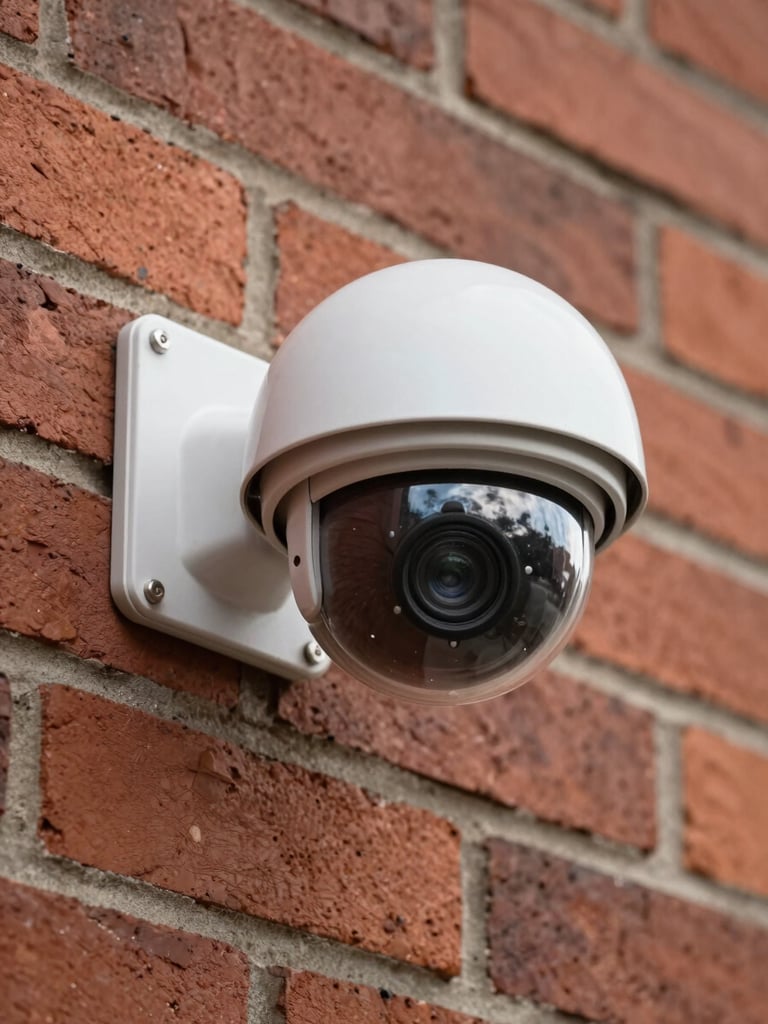
Coverage designed around blind spots
We walk the site before specifying a single camera. Entry points, sightlines, lighting conditions, and network routing all determine placement — not a standard kit count.
If four cameras will do the job properly, we specify four. We will tell you when a larger system would add cost without adding coverage.
Graded to your risk, not your budget ceiling
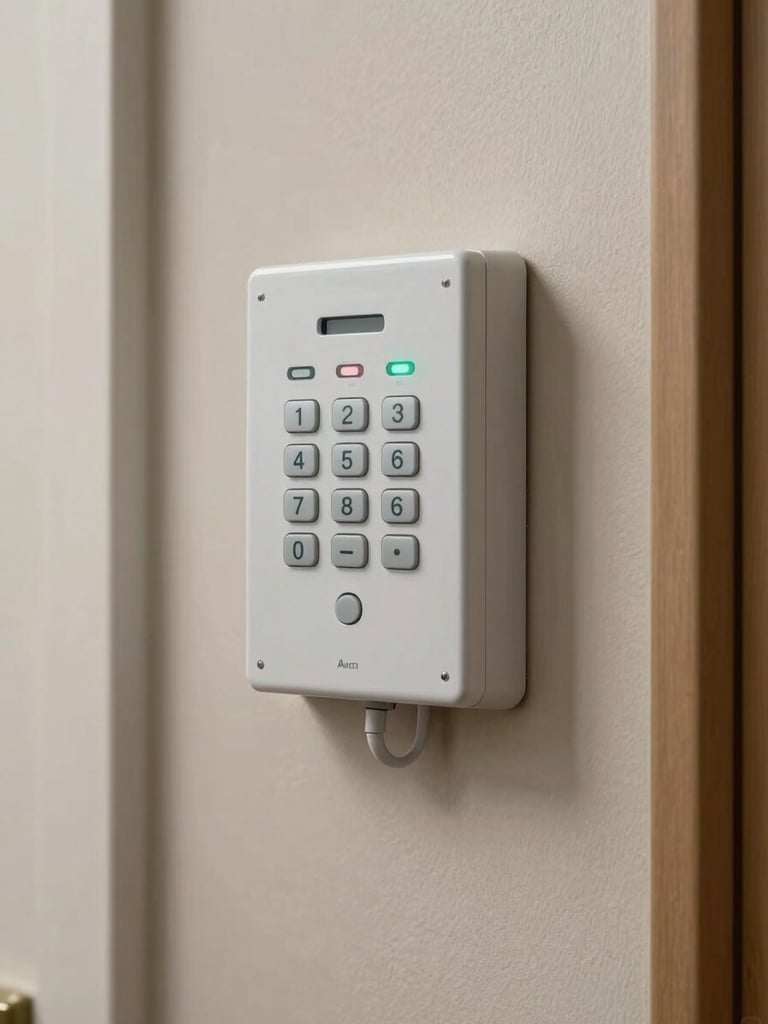
Alarm specification starts with how a building is actually accessed — door schedules, occupancy patterns, perimeter weaknesses. The grade and zone layout follow from that assessment.
Once fitted, the system runs without your involvement. If it needs managing after handover, the installation was not finished properly.
Three steps. No guesswork.
We find where you are weak
Designed for the building in front of us
Done when it works without prompting
Camera positions, zone layouts, and grade recommendations are drawn from the assessment findings. We explain every decision and flag anything we cannot do properly.
An engineer visits the property and maps every entry point, sightline gap, and structural constraint before a product is discussed.
Handover happens when every zone tests clean, footage records correctly, and the system needs no further intervention from you or from us.
Start with the assessment
Bring us to the building. We will tell you what it needs — and what it does not. The responsibility for getting that right sits with us.